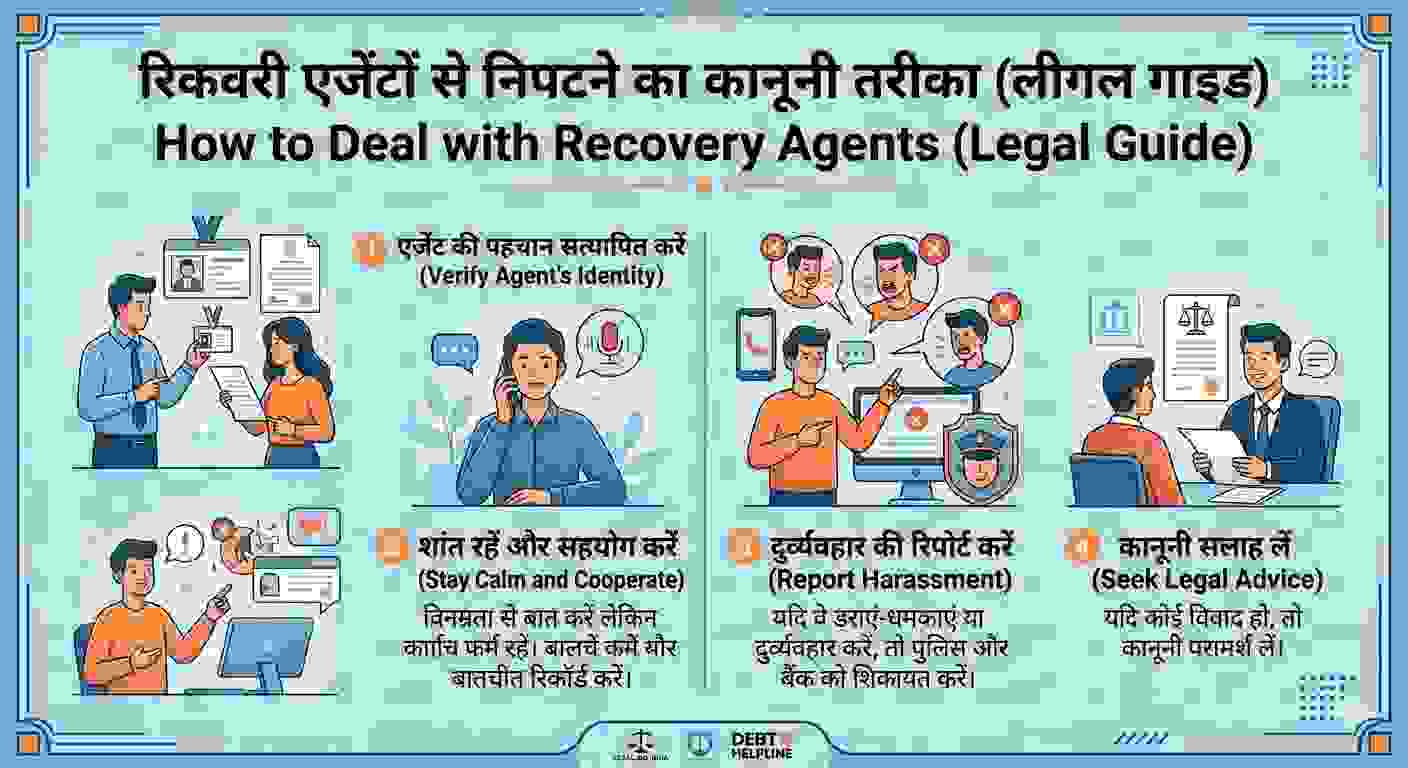
How to Deal with Recovery Agents (Legal Guide)
Alright, so you’ve got these recovery agents ringing you non-stop, banging on your door at odd hours, maybe even showing up at your job acting all intimidating.
Your stomach’s in knots every time the phone rings, and you’re lying awake at 3 AM wondering what the hell they can actually do to you.
I know exactly how this feels. Watched my cousin go through it last year. Absolute nightmare for about three months until he figured out how to handle it properly.
Here’s what nobody tells you, though – these recovery agent types aren’t police officers. They’ve got no special powers. They can’t arrest you, they can’t drag you anywhere, and they definitely can’t just walk into your house and start taking your stuff.
You’ve got way more rights than you realise. Let me show you how to deal with these people without getting pushed around, scared, or tricked into stuff you’ll regret.
Who Are These Recovery Agents Anyway?
Let’s be clear about who we’re actually dealing with here.
Recovery agents – some people call them debt collectors or field agents – are basically hired muscle for banks and loan companies. When you stop paying, the lender doesn’t want to chase you themselves. Too much hassle. So they hire these companies to do the dirty work.
How they usually work:
- Some work directly for the bank, proper employees on a salary
- Others work for separate collection agencies – companies that buy debts or chase them for a cut
- Lots of work on commission – meaning they only earn when they actually get money out of you
That commission thing is important. It explains why some of them act like absolute nutters. No money from you means no payday for them. Desperate people do desperate things.
A bloke who used to work as a recovery agent told me they’d get about 15-25% of whatever they collected. So if they squeeze £1,000 out of you, they’re pocketing £150-250. That’s why they push so hard.
What They’re Actually Allowed to Do
Most people have no clue what these agents can and can’t do. So they get scared into doing whatever the agent says.
Stuff They CAN Do (Legally)
Turn up at your house
Yeah, they’re allowed to knock on your door. Nothing illegal about that. But there are rules about when and how often.
Ring there arext you, email you
They can contact you to talk about what you owe and try to set up payment.
Ask you to pay
Obviously. That’s their whole job.
Tell you what happens if you don’t pay
They can explain late fees, your credit score getting wrecked, or the lender may be taking legal action.
Report your debt tmay bedit agencies.
If you genuinely owe money and you’re not paying, that goes on your credit file. Nothing you can do about that part.
Stuff They CANNOT Do (Illegal)
Barge into your house
They can stand outside all they want. But they cannot step foot inside without you saying yes. If you don’t open the door, they stand there looking stupid and eventually leave.
Tell you they’ll have you arrested.
Total rubbish. Unless you’ve actually comm. itted fraud (like, proper criminal fraud with fake documents and stuff), nobody’s arresting you over a normal debt. It’s a civil matter, not criminal.
Ring at mental hours
Calling at 4 AM or midnight isn’t on. The general rule is that contact should happen between the morning and 9 at night. Outside those hours, you’ve got grounds to complain.
Chat to your neighbours or family about your debt.t
They can’t go telling Mrs Henderson next door that you owe money. That’s your private business, and sharing it breaks the rules.
Just take y, our car or tel.ly
Without a proper court order, they can’t touch your stuff. They might threaten it, they might hint at it, but they can’t actually do it unless a judge says so.
Pretend to be someone they’re .not
Some try acting like they’re from the court.s, or they’re police, or they’re lawyers. That’s straight-up illegal.
Call you 47 times a day
Ringing constantly is harassment. Simple as that.
First Time They Contact You – What to Do
How you handle that first call or visit basically sets the tone for everything after.
Don’t Freak Out and Don’t Ignore Them
Your brain’s screaming two things right now: either panic and agree to whatever they want, or hide under the bed and pretend this isn’t happening.
Both are rubbish ideas.
If you panic, you’ll promise payments you can’t afford. If you ignore them, they just keep coming back angrier and more aggressive.
Tell Them to Put It In Writing
First words out of your mouth:
“Send me everything about this debt in writing to my home address.”
Why this works:
It gives you actual proof of what they’re claiming. It buys you time to think instead of being pressured on the spot. It shows them you’re not some pushover they can bully. And it creates a paper trail in case you need to complain later.
They’ve got to send you:
- Who originally lent you the money
- Exactly how much they reckon you owe
- A breakdown of the original amount, interest, and any fees added on
Make Sure This Debt Is Actually Yours
Don’t just take their word for it.
Mistakes happen all the time. They might have the wrong person. The amount might be completely w, or. Or the debt might be so old that, legally, it cannot be enforced anymore.
Questions to ask yourself:
- Do I actually remember borrowing this money?
- Does the amount sound right?
- How old is this debt? (If it’s more than six years old in the UK, it might be “statute barred”, meaning they can’t take you to court over it.)
- Have I may.e already paid this off?
True st. from my mate Dave:
Got absolutely hounded for a £2,000 credit card bill. Nightmare for weeks. Turns out it was his dad’s debt – same name, different bloke entirely. Once he proved he wasn’t the right person (sent them his passport copy and proof of his address history), they disappeared overnight. Didn’t pay a single penny.
So don’t assume they’re right. Verify everything.
Your Legal Rights (They Don’t Want You to Know These)
1. The “Breathing Space” Shield
The “Breathing Space” Trick (Your 60-Day Legal Shield)
In 2026, the Debt Respite Scheme, popularly known as “Breathing Space,” is a game-changer in the UK.
How it works: If you apply through a debt charity like StepChange, you get 60 days of legal protection.
The Result: During this window, recovery agents are legally barred from contacting you, visiting your home, or adding interest to your debt. It’s a vital “pause button” for your mental health, giving you the time to create a sustainable plan without being bullied.
You’ve got proper legal protections. Most people don’t use them because they don’t know they exist.
You’ve Got the Right to Be Treated Properly
They can’t bully you.
What counts as breaking this rule:
- Phoning over and over again in one day
- Swearing at you or threatening you
- Ringing at stupid hours
- Keeping after you’ve told them to stop
- Talking about your debt to people who aren’t involved
You’ve Got the Right to Keep Your Business Private
Your debt isn’t anyone else’s concern.
They’re not allowed to discuss what you owe:
- Your boss
- Your neighbour whom they happened to bump into
- Your mum (unless she guaranteed the loan)
- Literally anyone else
One exception: if you’ve done a runner and they can’t find you, they can contact other people to get your new address. But even then, they can only ask where you are – they can’t say “Dave owes us three grand.”
You’ve Got the Right to Challenge the Debt
Think you don’t owe this? Fight it.
Write to them:
“I don’t believe I owe this debt. Send me proof that this money is owed by me, including the original signed agreement.”
Once you’ve sent that, they’re supposed to pause the whole collection thing until they’ve actually proved their case.
You’ve Got the Right to Stop Phone Calls
Sick of the constant ringing? You can make it stop.
Send them a letter:
“I’m instructing you to stop all telephone contact. Any further communication must be sent in writing to my address. If you continue calling after receiving this letter, I’ll treat it as harassment and report you.”
The debt doesn’t magically vanish. But the phone calls do.
You’ve Got the Right to Report Bad Behaviour
If they’re breaking the rules, grassBehaviour.
Where to complain:
- First, to the company the agent works for
- Then to the Financial Ombudsman if it’s bank or loan debt
- Trading Standards for dodgy practices
- Citizens Advice for help figuring out your options
Handling Different Situations They’ll Throw at You
When Your Phone Rings
Keep your cool. Don’t let them rattle you.
What to do:
- Ask exactly who’s calling and who they work for
- Get their name and if they’ve got an employee number
- Tell them to send written details
- Say you’ll discuss it at a time that suits YOU
- Write down the date, time, and what they said
What NOT to do:
- Hand over your bank details over the phone
- Promise to pay amounts you can’t actually manage
- Let them rush you into agreeing to things
- Spill your entire financial situation without thinking
Words that actually work:
“I hear you’re calling about money you say I owe. I’m going to need that in writing with full details before I discuss anything. Send that to my address, and I’ll review it. Please don’t call again until I’ve had a chance to look at everything properly.”
Then, hang up if they keep pushing.
When They Turn Up at Your Door
This is the scary one for most people.
Here’s what to do:
Don’t let them inside. You’re not legally required to. You can chat through the door. You can ignore them completely. Your choice.
If you do decide to speak to them:
- Step outside and pull the door shut behind you – don’t let them in
- Ask to see proper identification, not just some business card they’ve printed at home
- Don’t sign a single thing
- Don’t let them pressure you
- Keep saying “send it in writing”
They might try this:
“We need to come inside and make a list of your belongings.”
Your answer:
“No, you don’t. You need a court order for that, and you haven’t got one. If you did, you’d be showing it to me. Off you go.”
If they won’t go away:
“I’ve asked you to leave my property. If you’re still here in thirty seconds, I’m calling the police and reporting you for trespassing.”
Then actually do it if they stick around. That’s genuinely trespassing.
When They Show Up at Your Work
Absolutely mortifying when this happens.
What to do:
Get them away from your colleagues if you can, then say:
“You cannot contact me at work. This is harassment, and it’s affecting my job. Don’t ever come here again. Send everything to my home address in writing. This is me formally telling you to stop contacting me at my workplace.”
Then send a letter the same day confirming this.
If they come back:
Formal complaint to their company. Then escalate to Trading Standards or the Financial Ombudsman. This is proper harassment, and they’re breaking the rules.
When They T hreaten Court
“We’re taking you to court” – you’llthe ear this loads.
The truth?
Sometimes it’s hot air. Sometimes they mean it. Going to court costs them money and hassle, so they typically only bother with bigger debts or dead certs.
What to do:
If it’s just threats over the phone:
“If you want to take legal action, that’s up to you. I’ll wait for actual court paperwork. Until that arrives, don’t call me – everything in writing please.”
If actual court papers turn up:
DO NOT ignore these. Proper court documents need a response. If you don’t respond, they win automatically,y and then they really can start taking your stuff
When They Rock Up with a Van
“We’re taking your car today.”
Can they actually do this?
Only in these situations:
- The car’s on HP or finance, and you stopped paying
- They’ve got an actua, andrt order
- You’ve signed something specifically letting them
Normal debts like credit cards or personal loans? They can’t take anything without going to court first.
What to say:
“Show me the court order that says you can take my property.”
No court order? They leave empty-handed.
Sorting Out a Payment Plan That Won’t Kill You
If you actually owe the money, eventually you’ve got to deal with it.
Figure Out What You Can Really Spare
Don’t agree to £400 a month if you’ve only got £80 left after bills.
Do a proper budget:
| Money Coming In | Amount |
|---|---|
| Your wages | £X |
| Any benefits | £X |
| Anything else | £X |
| Total coming in | £X |
| Money Going Out (Essentials) | Amount |
|---|---|
| Rent or mortgage | £X |
| Council tax | £X |
| Gas and electric | £X |
| Food shopping | £X |
| Getting to work | £X |
| Total going out | £X |
Whatever’s left after essential bills = what you can offer for debts
Make Them a Proper Offer
Put it in writing:
“I accept that I owe £[amount]. After paying essential bills, I can afford £[realistic amount] per month. I’ve attached my income and spending breakdown to prove this is genuine. Please confirm you accept this arrangement.”
Then stick to it.
Set up a standing order so it goes automatically. Missing payments just gives them an excuse to push for more.
Some Debts Come First
Not all debts are equally dangerous.
Priority debts (sort these first):
- Rent or mortgage – losing your home is the worst outcome
- Council tax – they can take it straight from your wages
- Electric and gas – getting cut off is grim
- Court fines – ignoring these brings actual bailiffs
Non-priority debts (still important but less urgent):
- Credit cards
- Personal loans
- Store cards
- Overdrafts
What to tell recovery agents chasing non-priority debts:
“I’m paying this debt, but I’ve got priority debts that have to come first, or I lose my home. This is the maximum I n,, offer right now.”
When They’re Breaking the Rules
Some recovery agents take the mick. Here’s how to fight back.
Write Everything Down
Keep proper records:
- Every phone call – date, time, who called, what they said
- Every visit – date, time, who came, what happened
- Screenshot all texts and emails
- Keep every letter
- Note down every payment you make
This is your ammunition if you need to complain or take them to court.
Make a Formal Complaint
Write to their company:
“I’m making a formal complaint about your agent [name or description]. On [date] at [time], they [exactly what they did]. This breaks whichever rule. I want this investigated,d and I want to know what you’re doing about it. I expect a proper response within 14 days.”
Take It Higher
Company ignoring you? Escalate:
Financial Ombudsman Service
(for bank, credit card, and loan debts)
- Ring them: 0800 023 4567
- Website: financial-ombudsman.org.uk
Trading Standards
(for dodgy aggressive tactics)
- Get them through Citizens Advice: 0808 223 1133
Information Commissioner’s Office
(if they’re sharing your info when they shouldn’t)
- Ring them: 0303 123 1113
- Website: ico.org.uk
Free Help That Actually Exists
You don’t have to figure this out alone.
StepChange
What they do for free:
- Proper debt advice
- Helwith p making budgets
- Talk to your creditors with you
- Set up manageable payment plans
How to reach them:
- Phone: 0800 138 1111
- Website: stepchange.org
Citizens Advice
What they do for free:
- Advice that doesn’t take sides
- Help filling out forms and writing letters
- Explain what rights you’ve got
- Sometimes come with you to meetings
How to reach them:
- England: 0800 144 8848
- Website: citizensadvice.org.uk
National Debtline
What they do for free:
- Debt advice
- Ready-made template letters you can use
- Help figuring out which debts to tackle first
- Explain your rights clearly
How to reach them:
- Phone: 0808 808 4000
- Website: nationaldebtline.org
Letters You Can Actually Send
Asking for Written Details
[Your Address]
[Date]

[Recovery Company Address]

Hello,

Reference: [account number if you've got one]

You've contacted me about money you say I owe.

Before I discuss anything, I need:
- Full written breakdown of this debt
- How much is original borrowing, how much is interest, how much is fees
- Copy of the original agreement I supposedly signed
- Proof your company has authority to collect this

Until I get this, only contact me in writing at this address.

Cheers,
[Your Name]
Saying You Don’t Think You Owe This
[Your Address]
[Date]

[Recovery Company Address]

Hello,

Reference: [account number]

I don't believe this debt is mine.

Send me:
- Evidence this debt belongs to me
- The original signed agreement
- Complete account history

Until you prove I owe this, stop all collection activity.

Cheers,
[Your Name]
Telling Them to Stop Calling
[Your Address]
[Date]

[Recovery Company Address]

Hello,

Reference: [account number]

This is formal notice to stop all telephone calls immediately.

From now on, only contact me by letter to this address.

Any calls after you receive this letter will be reported as harassment.

Cheers,
[Your Name]
When You Genuinely Haven’t Got the Money
Sometimes the hole’s too deep and the income’s too small.
Options That Actually Exist
Debt Management Plan (DMP)
Informal deal where you pay what you can m. Annformal doesn’t get written off, but interest usually stops.
Individual Volun,tary Arrangement (IVA)
Legal agreement where you pay what’s affordable over 5-6 years. Whatever’s left after that gets wiped. Wrecks your credit, though.
Bankruptcy
Nuclear option. Most deb, ts get written off completely. But your credit’s destroyed for years,s and you might lose assets.
Talk to StepCha,nge or Citizens Advice before doing any of these. Seriously.
Final Thoughts: You’re Not Powerless Here
Look, I know dealing with recovery agents feels horrible. Embarrassing. Scary. Like you’ve got no control over anything.
But that’s not true.
Remember:
- They work for a company trying to make money. They’re not the law.
- You’ve got legal rights. Use them.
- Get everything in writing. Every time.
- You don’t have to let them inside your home. Ever.
- You can tell them to stop phoning.
- If they harass you, report them. That’s illegal.
- There’s free help available. Actually use it.
Most important of all:
Don’t stick your head in the sand. Pretending debt doesn’t exist just makes everything worse. But you can handle this on YOUR terms, not theirs.
Get advice from the free services. Work out what you can really afford. Know your rights and use them. Don’t let anyone scare or bully you into agreements that’ll sink you.
You’ve got more power here than they want you to think.
Links:-
- How to Hire a Lawyer: Ultimate Smart Guide for Legal Success
- https://consumer.ftc.gov/articles/debt-collection-faqs
Been through this yourself? What actually helped you deal with recovery agents? What do you wish someone had told you earlier? Stick your experience in the comments – might be exactly what someone else needs to hear right now.
About The Author





bhout accha artical hai yai ashi information bhout muskil sai milti hai sir i impresss sir