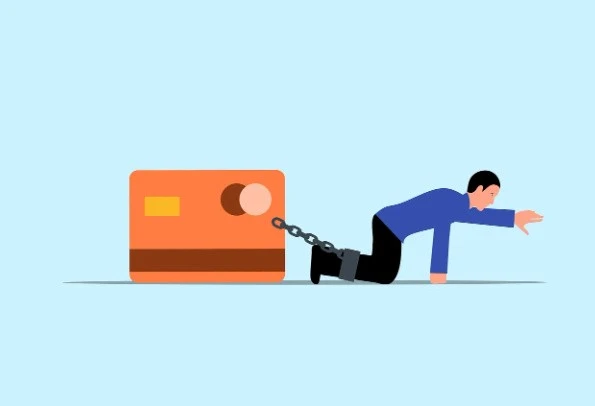
Can You Sue Debt Collectors for Harassment? Know Your Rights
Introduction
Something happened to my neighbour a while back that completely changed how I look at debt collection. She had an old medical bill — around $3,200. Not a crazy amount, but not nothing. At some point, the hospital gave up trying to collect and sold the account to a collection agency.
That’s when her life turned into a nightmare.
These people started calling her at six in the morning. Six. She told them she was at work and couldn’t talk, but they kept calling her there anyway.
One guy actually called her “irresponsible” on the phone and said she should be “ashamed.” And then — this is the part that still makes me angry — they called her mother. Her seventy-year-old mother. Told her all about the debt.

For weeks, she couldn’t sleep. Every time her phone buzzed, she’d get this wave of dread. She was a mess over $3,200, genuinely trying to figure out how to pay.
Eventually, somebody told her to talk to a lawyer. She did. And she ended up suing the collection agency. Won, too. They had to pay her statutory damages and cover all her attorney fees. The original debt got worked out as part of the settlement.
When she told me about it, I honestly didn’t believe her at first. Can you sue them? And they pay YOU? Turns out, yeah. You absolutely can. And that’s what I want to talk about here, because way too many people are dealing with this kind of abuse and don’t realise they have real legal options.
The Short Answer: Yeah, You Can Sue Them
Let me just get this out of the way upfront. You can sue a debt collector for harassment. This isn’t some legal theory or loophole. People file these lawsuits constantly, and they win.
There’s a federal law called the Fair Debt Collection Practices Act — the FDCPA. Congress passed it because debt collection abuse had gotten so out of hand that they had to step in. The law spells out very clearly what collectors are allowed to do and what they’re not. When they break those rules, you can take them to court.
Now here’s something that trips people up. A lot of folks think, “Well, I actually owe the money, so I can’t really complain about how they’re collecting it.” That’s wrong. You can sue even if the debt is 100% legitimate. Owing money and being harassed about it are two separate issues. The debt might be valid. The collector’s behaviour might still be illegal.
One important thing to understand, though, the FDCPA mainly applies to third-party debt collectors. These are companies that buy old debts from original creditors or get hired to collect on someone else’s behalf. If the original hospital, bank, or credit card company is calling you directly, the federal FDCPA usually doesn’t cover that.
However, some states have their own laws that DO cover original creditors. California is a big example — its Rosenthal Act extends protections to original creditors, too. I’ll get into state-specific stuff later. But for now, just know that when we’re talking FDCPA, we’re mainly talking about those third-party agencies.
What Actually Counts as Harassment
“Harassment” in everyday conversation can mean a lot of things. Under the FDCPA, it has specific definitions. Here’s what the law actually prohibits.
Early Morning and Late Night Calls
They cannot call you before 8 AM or after 9 PM in your local time zone. Not complicated. If your phone rings at 7:15 in the morning from a collection agency, that’s a violation right there. Same if they’re calling at 10 PM.
Calling You Way Too Much
The original FDCPA didn’t put an exact number on how many calls were too many. But Regulation F — an update that went into effect in November 2021 — got more specific. A collector generally can’t attempt to call more than 7 times in a 7-day window about a particular debt. And after they actually reach you by phone, they need to wait at least 7 days before calling again about that same account.
Before this rule existed, some of these agencies were dialling people 15, 20, or even 30 times a week. I’ve heard stories from people who got so many calls they thought something was wrong with their phone. That level of contact isn’t persistence. It’s harassment, and now there’s a specific rule against it.
Insults, Name-Calling, and Verbal Abuse
No profanity. No personal attacks. No screaming. If somebody on the other end of the line calls you a “deadbeat” or tells you you’re a terrible person for not paying, that’s a clear violation. They’re not your disappointed parent. They’re a regulated business, and the law says they have to act like one.
Threatening Things They Can’t Actually Do
This comes up all the time. “We’re going to have you arrested.” “The police are going to show up at your door.” “We’re garnishing your wages starting Monday.”
Here’s reality. Debt is a civil issue, not criminal. You cannot be arrested for owing money on a consumer debt. Full stop. There are a handful of narrow exceptions — child support, certain tax situations — but a credit card bill, a medical bill, a personal loan? No. If someone threatens you with arrest or jail over those kinds of debts, they’re violating federal law.
The same goes for threatening wage garnishment or property seizure when they don’t have a court judgment. They might be able to sue you and potentially get a judgment. But threatening those consequences when they haven’t gone through the legal process? Illegal.
Calling Your Job After You’ve Told Them Not To
You tell a collector — by phone or in writing — to stop contacting you at work. At that point, they have to stop. If they call your job one more time after you’ve said that, it’s a violation.
Blabbing About Your Debt to Other People
Collectors are allowed to contact third parties for one purpose only — tracking down your contact information. They can call your brother to ask for your phone number. What they absolutely cannot do is tell your brother — or your neighbour, coworker, friend, or anyone else — that you owe money.
What happened with my neighbour’s mother? Classic violation. They told a third party about the debt to pressure my neighbour into paying. The law exists specifically to prevent that kind of humiliation.
There’s a small exception for spouses and parents of minors. But calling your elderly mom to embarrass you into coughing up cash? That’s exactly the kind of thing the FDCPA was written to stop.
Lying and Misrepresenting the Debt
This covers a lot:
- Claiming you owe more than you actually do
- Pretending to be an attorney when they’re not
- Threatening to file a lawsuit when they have zero intention of doing it
- Implying they’re connected to the government somehow
- Misrepresenting the legal status of what you owe
Any single one of these is enough to support an FDCPA claim on its own.
Quick Reference — What’s Legal and What’s Not
| What the Collector Is Doing | Is It Legal? | Why |
|---|---|---|
| Calling between 8 AM and 9 PM | Yes | Falls within the permitted hours |
| Calling at 6:30 AM or after 9 PM | No | Outside the allowed window |
| Calling you a couple of times a week | Yes | Reasonable contact |
| Blowing up your phone 10+ times in a day | No | Excessive under Regulation F |
| Politely asking you to pay a valid debt | Yes | That’s literally their job |
| Calling you names or swearing at you | No | Abusive language is prohibited |
| Mailing you a written collection notice | Yes | They’re actually required to |
| Threatening you with arrest | No | Consumer debt isn’t a criminal matter |
| Telling your spouse about the debt | Usually yes | Spouses are generally permittedcontactst |
| Telling your coworker about the debt | No | Third-party disclosure violation |
| Filing a legitimate lawsuit against you | Yes | They have that right |
| Threatening to sue when they won’t | No | Empty legal threats are prohibited |
| Texting you about the debt | Yes | Butthe same conduct rules apply |
| Contacting you after you’ve sent a written cease letter | No | They must stop with narrow exceptions |
If You Sue, What Can You Actually Get?
Alright, the practical question. What’s the potential payoff?
Statutory Damages — Up to $1,000
This is automatic per lawsuit. You don’t have to prove you lost money or were financially hurt. You just have to prove they broke the rules. A thousand dollars might not sound life-changing, but it’s built into the law as a baseline.
Actual Damages — No Cap
This is where things can get bigger. If the harassment caused you real harm — anxiety bad enough to need medication, lost wages because you couldn’t focus at work, therapy costs, documented emotional distress — you can sue for those actual costs. There’s no ceiling on actual damages. I’ve come across cases where people recovered $5,000, $10,000, sometimes significantly more, depending on how difficult the situation was and how thoroughly they documented it.
Attorney’s Fees — The Collector Pays Them
This is the detail most people miss, and it changes everything. The FDCPA says that if you win, the debt collector has to pay your lawyer. It’s written right into the statute.
What does that mean for you? It means consumer rights attorneys will often take these cases on contingency — no upfront cost to you at all. They get paid when you win, and the collection agency foots that bill. Your actual out-of-pocket expense to pursue this can be zero dollars.
Class Action Potential
If a collector is running the same abusive script on hundreds or thousands of people — which happens way more than you’d think — a class action can recover up to $500,000 or 1% of the collector’s net worth, whichever is lower.
Regulation F and the CFPB — Where Things Stand Now
The Consumer Financial Protection Bureau has been the main agency overseeing debt collection practices. Their Regulation F update from November 2021 brought some important modern changes:
- The 7-in-7 rule capping call attempts per week per debt
- Social media rules — collectors can contact you through private DMs now, but they absolutely cannot post anything about your debt publicly. Not on your wall, not in comments, nowhere visible.
- Electronic communication standards — texts and emails are fair gam,e but must include a clear way to opt out
- Validation notices — within 5 days of first contact, they have to send you a detailed notice breaking down what you owe and telling you about your right to dispute
- Itemisation — they have to show you exactly how the total amount was calculated.ulated
Something worth knowing for 2026 specifically: the CFPB has been through some political back-and-forth depending on who’s in the White House. Enforcement priorities at the agency level can shift. But here’s what doesn’t change — the FDCPA is federal law. It doesn’t disappear because of politics. Your right to sue under the statute is just as strong today as it was the day it was passed. Private attorneys can still take your case. Courts still enforce it. The law itself hasn’t been touched.
How to Build Your Case — The Evidence Part
If you believe a collector has crossed the line, documentation becomes everything. A strong case isn’t built on your word alone. It’s built on evidence.
Write Everything Down
Start a call log immediately. Every call — date, time, the phone number that showed up on the caller ID, who you talked to, and what they said. If they called before 8 AM, your log shows it. If they called nine times in two days, your log shows it.
A notebook by the phone works perfectly fine. Nothing fancyis needed.
Record Calls — But Check Your State’s Rules
Recording laws aren’t the same everywhere,e and you need to know where you stand.
In one-party consent states, you can hit record as long as you — one party to the conversation — know about it. You don’t have to tell the collector. Most states work this way.
In two-party consent states, everybody on the call has to know it’s being recorded. California, Florida, Illinois, Pennsylvania, and severaother statesrs have these rules.
| Type of Rule | What It Means | Some States That Follow It |
|---|---|---|
| One-party consent | You can record without telling them | Texas, New York, Georgia, Ohio, and most others |
| Two-party consent | Both sides must know about the recording | California, Florida, Illinois, Pennsylvania |
If you’re in a two-party state, just say it upfront. “I’m going to record this call for my records.” If they stay on the line, that’s generally treated as consent. And honestly? Sometimes just hearing “I’m recording this” makes them clean up their behavior real fast.
Here’s a pro tip most people don’t think about. You know how most collectors start calls by saying,ngThisis call may be recorded for quality assurance” When they say that, they’ve already consented to recording. Which means you can record too. They opened that door themselves. If a collector tells you the call is being recorded, press record on your end without any guilt. They literally justpermitted youn.
Don’t Delete Anything
Voicemails, text messages, emails, letters that come in the mail — keep every single piece of it. Screenshot texts so they don’t get lost. Save voicemails to a separate file. Put physical letters in a folder.
Attorneys I’ve spoken with say voicemails are some of the most damaging evidence in FDCPA cases. Collectors get sloppy with voicemails. They say things they’d never say to a live person — threats, insults, misleading statements — realising that voicemail is now a permanent piece of evidence that a judge will hear.
Mail a Cease Communication Letter
The FDCPA gives you a powerful tool here. If you send a collector a written letter telling them to stop all communication, they legally have to stop. They’re allowed to send you one final notice — usually saying they might pursue legal action — but after that, the calls, texts, emails, and letters have to end.
Send it certified mail with a return receipt request. Keep a photocopy. This creates an official paper trail proving exactly when they got your letter. If the phone rings from them after that date? That’s another violation added to your case. And then another. And another. Each call after a cease letter is a separate violation.
Send a Debt Validation Request
You have 30 days from when a collector first contacts you to send them a written debt validation request. Once you do, they have to prove the debt is actually yours and that the amount they’re claiming is correct. While they’re working on that proof, they’re supposed to pause all collection activity.
Here’s what a lot of people don’t realise — collectors often can’t validate the debt. Especially old accounts that have been sold and resold multiple times. The paperwork gets lost. The records are incomplete. If they can’t validate it, they have to stop collecting. Game over.
Taking It to Court — Your Options
You’ve documented everything. You’ve got evidence. No,w how does this actually work?
Get a Consumer Rights Attorney
Look for lawyers who handle FDCPA cases or consumer protection specifically. The National Association of Consumer Advocates has a directory at consumeradvocates.org where you can search by state.
The money part — most of these attorneys won’t charge you a dime upfront for an FDCPA case. The law was designed so that the collector pays attorney fees when they lose. Lawyers know this. They take cases on contingency because the fee structure is built right into the statute.
File Complaints Everywhere That Matters
Even if you’re already working with a lawyer, filing complaints creates additional documentation and pressure:
- CFPB at consumerfinance.gov
- FTC at ftc.gov
- Your state Attorney General — most offices have online complaint forms
- Better Business Bureau — not legally binding, ng but it creates a public record that other consumers can see
When government agencies see multiple complaints against the same collector, it can trigger an official investigation. Your individual complaint might be the one that tips the scale.
Small Claims Court Is an Option Too
If you’d rather not deal with an attorney, you can take an FDCPA case to small claims court yourself. Filing fees typically run $30 t,o $75 depending on where you live. You represent yourself. The process is designed to be simple enough for regular people.
That $1,000 in statutory damages fits easily within small claims limits in every state. You present your evidence — your call logs, saved voicemails, the cease letter they ignored — and let the judge decide.
Your State Might Give You Even Stronger Protections
The FDCPA is the federal baseline. Every state follows it. But a bunch of states have passed their own laws that go further.
- Texas has the Texas Debt Collection Act, which adds prohibited practices and can award treble damages — meaning triple — in certain situations. ations
- California has the Rosenthal Act, which is a big deal because it covers original creditors,itors too, not just third-party collectors. So if the original hospital or credit card company is harassing you in California, you have legal protection that the federal law doesn’t provide.
- New York has strong consumer protection statutes with additional restrictions. tions
- Florida has the Florida Consumer Collection Practices Act layering on protections beyond federal .al law
- Illinois has some of the toughest consumer protection provisions in the country, including specific allowances for emotional distress .claims
A consumer attorney in your state will know exactly which laws apply to your situation. Sometimes you can file claims under both federal AND state law in the same lawsuit, which increases what you can potentially recover.
What If You Don’t Even Owe the Money?
Happens constantly. Collection agencies buy debt in massive bundles — sometimes thousands of accounts at once — and the data that comes with those purchases can be a mess. Wrong names, wrong amounts, accounts that were already paid off, debts belonging to someone else entirely.
If a collector is chasing you for money you don’t owe, that’s a violation on its own. And if they’re also reporting this bogus debt to credit bureaus, you might have a separate claim under the Fair Credit Reporting Act (FCRA).
Steps to take:
- Send a written debt validation request right away — make them prove it’s yours
- Dispute the debt in writing directly with the collector
- If it’s showing on your credit reports, dispute it with Equifax, Experian, and TransUnion
- Keep records of everything
- Call a consumer rights attorney — you could have claims under both the FDCPA and the FC.RA
Protecting Yourself From Here On Out
After you’ve handled the immediate mess, set yourself up so this doesn’t happen again.
Put a freeze on your credit reports. Free at all three bureaus. Stops anyone from opening new accounts in your name without your explicit permisActuallyctuall,y check your credit reports. AnnualCreditReport.com gives you free access. Look for accounts youdon’t recognise. Dispute anything that looks wrong. Don’t wait until you’re applying for a mortgage to discover something shady.
Understand the statute of limitations on debt in your state. There’s a time limit on how long someone can sue you for an old debt. Once the clock expires, the debt becomes “time-barred.” They can still call and ask you to pay, but they can’t drag you into court.
| State | How LongCan Theyn Sue You (Written Contracts) |
|---|---|
| Texas | 4 years |
| California | 4 years |
| New York | 6 years |
| Florida | 5 years |
| Illinois | 5 years |
| Ohio | 6 years |
| Pennsylvania | 4 years |
| Georgia | 6 years |
Different types of debt can have different timelines. Check your state’s specific rules.
And here’s a warning that could save you thousands of dollars. If you have a really old debt that’s past the statute of limitations — sometimes called “zombie debt” — do not make a payment on it. Don’t pay $5. Don’t pay $10 to “show good faith.” In many states, making even a tiny partial payment on a time-barred debt resets the statute of limitations completely. The clock starts over. SSuddenlyly that old debt they could no longer sue you for? Now they can again. Collectors know this. Some of them specifically try to get you to make a small payment for exactly this reason. Don’t fall for it. If a debt is past the statute of limitations, talk to a lawyer before you send a single dollar.
Something Most People Don’t Realise About Collection Agencies
The company calling you didn’t provide youwith a service. They didn’t treat you at a hospital. They didn’t lend you money. They bought your account from the original creditor for pennies on the dollar.
A $5,000 debt? They might have paid $200 for it. Maybe $150. Sometimes even less. Their entire business model is buying cheap paper and then pressuring people into paying as much of the face value as possible. Fear and shame are their main tools.
Once you understand that, the power shifts a little bit. You’re not dealing with the company you originally had a relationship with. You’re dealing with a business that made a speculative purchase and is trying to maximise its return on it. That doesn’t mean you don’t owe the original debt necessarily. But it does mean you don’t have to be intimidated by their tactics.
They need you way more than you need them. Remember that.
Final Thoughts
Look, owing money is stressful enough on its own. Nobody needs a collection agency making their life miserable on top of it. If someone is calling you too much, threatening things they can’t do, saying things they shouldn’t say, or talking to people they have no business talking to — you’re not powerless here.
Write everything down. Save every voicemail and text. Send a cease letter if you want the contact to stop. Request validation if you’re not even sure the debt is real. And call a consumer rights attorney — the consultation is usually free, and if your case has merit, they’ll take it without charging you a penny.
You don’t owe anyone the right to harass you. Not even if you owe them money. That’s the whole point of the law.
Getting harassed by collectors right now and not sure what your next move should be? Drop your situation in the comments — I’ll do my best to point you toward the right resources.
LINKS:-
- https://www.consumerfinance.gov/ask-cfpb/what-is-harassment-by-a-debt-collector-en-336/
- How to Hire a Lawyer: Ultimate Smart Guide for Legal Success
About The Author