
Stop Loan Recovery Agent Harassment: Legal Help Guide
Introduction
There was this woman I worked with — showed up to the office one morning looking absolutely wrecked. Dark circles, jumpy, couldn’t focus on anything. I asked if she was okay, and the whole story came out.
Some recovery agent had been calling her phone for two solid weeks. Early morning calls. Late-night calls. Voicemails where the guy threatened to “send people to her door” and told her she’d be “standing in front of a judge by Friday.” Real nasty stuff.
She owed about $4,800 on a personal loan. Wasn’t pretending she didn’t. A medical emergency had cleaned out her savings a few months earlier, and she fell behind. She genuinely wanted to work something out — she just didn’t have the full amount sitting in her checking account right then.

The guy calling her didn’t care about any of that. He wasn’t looking for a solution. He wanted her scared. And honestly, it was working. She was a wreck over it.
What she didn’t know — and this is what kills me — is that almost everything this agent was doing was flat-out illegal. Not just pushy. Not just unprofessional. Illegal. She had every right to shut it down and even sue for damages.
If somebody’s doing this to you right now, I need you to hear two things. You’re far from the only person dealing with this nonsense. And you’ve got real legal weapons available to you. Actual laws on your side. Let me show you how this works.
What Does Recovery Agent Harassment Actually Look Like?
People sometimes wonder whether what they’re going through really qualifies as harassment or if it’s just “tough” collecting. The law actually draws a pretty clear line, so let me lay it out.
The Stuff That’s Obviously Wrong
Most people would hear these and immediately know something’s off:
- Threatening to hurt you or send people to your home in a menacing way. That’s illegal. Full stop.
- Cussing you out, insulting you, calling you names. Doesn’t matter how much you owe. They cannot verbally abuse you.
- Telling you they’ll have you arrested. You can’t go to jail over a personal loan or a credit card bill. It’s a civil matter. Anybody saying otherwise is lying to your face and violating federal law while they do it.
- Calling at crazy hours. Anything before 8 in the morning or after 9 at night is off limits.
- Showing up to your job. Especially once you’ve told them not to come there.
The Stuff People Don’t Always Realise Is Also Illegal
This is where it gets tricky, because a lot of these behaviours are so common that people assume they must be allowed:
- Blowing up your phone all day long. Federal rules now cap how often they can call. More on that in a minute.
- Calling your parents, your siblings, your coworkers and talking about what you owe. They’re allowed to call other people for one reason — to track down your phone number. That’s it. They absolutely cannot tell anyone about your debt. Not your mother. Not youneighbouror. Nobody.
- Saying they’re going to sue you when they’re not. If a collector keeps threatening a lawsuit week after week and never actually files anything, that’s a violation on its own.
- Making up fees or inflating what you owe. The number has to be accurate. Tacking on fake charges is illegal.
- Pretending to be a law, or a cop, or someone from the government. Impersonation like this violates the law. Happens more than you’d think,k though.
- Keeping up contact after you’ve formally told them to stop in writing.
Someone I’m close to went through something that still makes my blood boil. A recovery agent tracked down his father’s phone number — his elderly father, er, who had absolutely zero connection to the loan, wasn’t a co-signer, nothing — and called him to spill the details about the debt. The whole point was to humiliate my friend into paying faster. One phone call. That single call was enough to build a case.
The Laws Working in YoFavourvor
You’ve got more legal muscle here than most people realise. Let me walk through what’s out there.
The FDCPA — The Big Federal One
The Fair Debt Collection Practices Act is the main piece of legislation. It covers third-party recovery agents and collection agencies — meaning companies that bought your old debt or got hired by the original lender to go after you.
Here’s a breakdown of what they’re prohibited from doing:
| What’s Banned | What That Looks Like in Real Life |
|---|---|
| Calls before 8 AM or after 9 PM | Your phone should be quiet from them outside those hours |
| Excessive calling | Current rules say max 7 attempts in 7 days per account |
| Threats, insults, and abusive language | No intimidation tactics, no personal attacks |
| Telling other people about your debt | Your boss, your mom, your buddy — off limits |
| Threatening jail time | Consumer debt doesn’t land you in prison |
| Lying about what you owe | The balance has to be real |
| Ignoring your written stop-contact request | Once you send it, they have to back off |
| Calling your workplace after you’ve objected | You tell them once, and they’re done |
One big thing to understand, though. The FDCPA mostly applies to third-party agencies — not the original company you borrowed from. So if your bank itself is calling you directly and being aggressive, the federal FDCPA might not be the right tool. BUT — and this matters — a bunch of states have their own laws that DO cover original creditors. California’s Rosenthal Act is the classic example. It extends all these protections to original lenders, too. So always check what your state offers. You might have more coverage than the federal law alone gives you.
Regulation F — The Updated Rules
The Consumer Financial Protection Bureau rolled out Regulation F back in November 2021, and it tightened things up quite a bit for the modern world:
- Cap of 7 call attempts per week on any single debt
- After they actually get you on the phone, they need to wait a full 7 days before calling about that same account again
- They CAN reach out through text, email, even social media DMs — but only privately. They cannot post anything publicly. Not on your Facebook wall. Not in comments. Nowhere visible.
- Electronic messages have to include a clear opt-out mechanism
- Within 5 days of first reaching out, they owe you a written validation notice spelling out the details
State Laws That Stack on Top
Federal law is the baseline. Your state might offer you even more:
- Texas has the Texas Debt Collection Act — allows up to triple damages for certain harassment behaviors
- California’s Rosenthal Act protects you from original creditors,s too, which the federal law doesn’t do
- New York piles on additional restrictions with solid enforcement mechanisms
- Florida has its own Consumer Collection Practices Act with extra prohibitions beyond federal rules
- Illinois offers some of the strongest protections around, including specific provisions for emotional distress claims
A lot of people only think about federal law and completely miss the state-level stuff that might actually give them a stronger case. Don’t make that mistake.
Making It Stop — What to Actually Do
Theory is nice. Let’s get into the practical stuff — what you physically do when a recovery agent is making your days miserable.
Write Down Everything Starting Right Now
I cannot overstate how important this is. If it ever comes down to a legal dispute, documentation wins. Without it, it’s your memory against theirs. With it, you have evidence.
Your call log needs to include:
- When they called — date AND time
- What number popped up on your screen
- Who you talked to — get a name, and if they won’t give one, note that too
- What was said — write it down immediately after hanging up, while it’s fresh
Yeah, it’s a pain. I get it. But think of every single entry as a brick in your case. The person with the notebook wins.
Voicemails. Whatever you do, don’t delete them. Recovery agents get careless with voicemails. They say things they’d never put in writing — threats, insults, misleading claims — because they figure nobody’s keeping track. Back those voicemails up somewhere safe. Your computer, a cloud folder, whatever. If your phone breaks or gets replaced, those recordings need to survive.
Texts and emails. Screenshot everything. Make sure the date and time stamp are visible. Move emails to a dedicated folder so they don’t get accidentally trashed during inbox cleanup.
Physical mail. Every letter goes in a folder. Don’t throw any of it away. Even the ones that seem routine.
Record the Calls — If Your State Lets You
This part requires knowing your local recording laws because they’re not the same everywhere.
In one-party consent states — and this is most of the country — you can record any phone call you’re part of without telling the other person. Texas, New York, Georgia, Ohio, and other states work this way.
In two-party consent states, everyone on the call needs to know it’s being recorded. California, Florida, Illinois, and Pennsylvania are the main ones.
| Rule Type | What It Means | States That Follow It |
|---|---|---|
| One-party | You can record without mentioning it | Texas, New York, Georgia, Ohio, and most others |
| Two-party | Everybody has to know about the recording | California, Florida, Illinois, Pennsylvania |
Two-party state? No problem. Just say it at the beginning. “I’m going to be recording this conversation.” If they don’t hang up, that’s their consent. And you know what’s funny? About half the time, the agent’s entire attitude shifts the second they hear the word “recording.” Suddenly, they’re polite and professional. Imagine that.
Here’s something worth knowing. When their system plays that automated message at the start — “this call may be recorded for quality assurance” — they just told you recording is happening on this call. That’s them establishing consent. Which means you can hit record on your end without any hesitation. They literally invited it.
Mail Them a Cease Communication Letter
The FDCPA hands you a genuinely powerful move here. You write a letter telling the collector to stop all contact with you. Send it certified mail so you get a return receipt proving they got it.
After receiving your letter, they’re allowed to send one more communication — typically a notice saying what they plan to do next, like maybe file a lawsuit. After that? Silence. No calls. No texts. No letters. No showing up anywhere.
Hold onto your copy of the letter and that return receipt. If your phone rings from them after the date they signed for the letter, that call is another violation. Every single one. They add up.
Something like this works:
“This letter is to formally request that you stop all communication with me about [account number or reference]. The Fair Debt Collection Practices Act requires you to comply with this request. Any further communication should be directed to my attorney, or cease altogether.”
Put a date on it. Sign it. Mail it certified. Keep your copy. That’s all there is to it.
Demand Debt Validation — Maybe Do This First
Strategically, you might want to send this before the cease letter. Here’s why.
Within 30 days of a collector first reaching out to you, you’ve got the right to demand written proof that the debt is legit. They have to show that it’s actually your debt, the amount is correct, and they’re authorised to collect on it. While they’re gathering this proof, the collection activity is supposed to stop.
Here’s the kicker — plenty of them can’t produce the documentation. This is especially true with older debts that have bounced between three or four different collection agencies over the years. Records get lost. Paperwork never gets transferred. Account details get garbled.
I’ve seen it happen firsthand where someone mailed a validation letter, and that was the end of it. Never heard from the collector again. They just moved on to someone who wouldn’t push back. Without proper documentation, they’ve got nothing to stand on, and they know it.
File Complaints With Every Agency You Can
Don’t just play defence. Push back.
- CFPB — consumerfinance.gov. This is the main federal watchdog for this stuff. They log every complaint and look for patterns. Enough complaints against the same company can trigger a federal investigation.
- FTC — ftc.gov. Another layer of federal oversight.
- Your state’s Attorney General — nearly all of them have online complaint portals now. State-level action sometimes moves more quickly than federal.
- Better Business Bureau — won’t result in legal action, but it creates a public record that other people can find before doing business with that agency.
Takes maybe half an hour total to file with all of them. Worth every minute.
Talk to a Lawyer When Things Get Serious
If the harassment is severe — we’re talking threats of physical harm, people showing up at your house, deliberate contact with family members who have nothing to do with the debt, or flat-out ignoring your cease letter — you should get an attorney involved.
And here’s the thing most people don’t know about. Consumer rights attorneys usually take FDCPA cases without charging you anything upfront. The law was specifically written so that when you win, the collection agency has to pay your lawyer’s fees. Attorneys know this. They take these cases on contingency because the payment structure is baked right into the statute. Your out-of-pocket expense can genuinely be zero dollars.
The National Association of Consumer Advocates has a searchable directory at consumeradvocates.org. Filter by your state and look for someone with FDCPA experience.
What’s the Actual Payout If You Take Legal Action?
Fair question. Here’s what the law puts on the table:
| What You Can Recover | How Much | How It Works |
|---|---|---|
| Statutory damages | Up to $1,000 | Automatic per lawsuit — you just prove they broke the rules |
| Actual damages | Unlimited | Emotional distress, therapy bills, lost wages, and medical expenses |
| Attorney fees | Whatever your lawyer charges | The collector pays this, not you |
| Court costs | Full amount | Filing fees and related expenses covered |
| Class action damages | Up to $500K or 1% of their net worth | When they’re running the same playbook on lots of people |
A thousand bucks in statutory damages by itself isn’t going to change your life. But stack it with actual damages for anxiety, sleep loss, or missed work — then add in the attorney fees the collector has to cover — and these cases can settle for $5,000, $10,000, sometimes more. I’ve come across settlements well into five figures for particularly bad behaviour.
And here’s the part that really scares collection agencies — if they’re pulling the same stunts on hundreds of people, a class action is possible. They know that. Sometimes, just the threat of it pushes them to settle fast.
When It Crosses From Harassment Into Criminal Territory
Most of the time, we’re talking about civil violations — you sue them, they pay damages. But occasionally, recovery agents do things that are actually criminal.
- Threatening violence or physical intimidation. Telling you they’ll hurt you, or showing up at your home acting menacing — that can be criminal intimidation or assault,t depending on the specifics.
- Claiming to be a police officer or government official. Impersonation of law enforcement is a crime. Every state. No exceptions.
- Refusing to leave your property. Asked them to lea, ve and they won’t? That’s trespassing.
- Extortion. “Pay us, or we’ll tell everyone about your financial situation” — threatening to spread personal information unless you pay is textbook extortion.
Has any of this happened? Call the police. Right then. Don’t wait. File a report and get the report number. Keep your copy. If you later pursue a civil lawsuit,t too, that police report becomes incredibly powerful evidence.
When They Show Up at Your Door
Whole different level of stress when somebody’s physically standing on your porch demanding money. This needs its own discussion.
Here’s what’s true, even if they try to make you believe otherwise:
They have absolutely no legal right to come into your home. Zero. They’re not law enforcement. They don’t have a warrant. They don’t have a court order. They have nothing that entitles them to step foot inside your house.
You don’t have to open the door. You don’t even have to acknowledge they’re there. You can stand on the other side of that door in complete silence,ce and they can’t do a thing about it.
If they refuse to leave after you’ve told them to go? That’s trespassing. Cathe ll police.
If they get aggressive or threatening? That’s criminal intimidation. Call the police.
My cousin had two guys in suits knock on his door once. Told him they were “authorised to recover assets” from his apartment over a personal loan. Sounded very official. Very intimidating. He almost opened the door and let them start taking things.
They were full of garbage. They had no authority to seize anything. Nobody can take your possessions over a consumer debt without first going through the entire court system — lawsuit, judgment, court order. Guys who just show up at your apartment have none of that. Don’t open the door. Don’t hand them anything. And write down every detail — what they said, what time, what they were wearing, any vehicle info you can see through the window.
Situations That Change Things Up
Your Bank or Original Lender Is the One Harassing You
The FDCPA mostly targets third-party agencies. So if your original lender — the bank, the credit union, the finance company — is calling and being abusive, the federal law might not directly apply to them.
But that doesn’t mean you’re stuck. Lots of states have consumer protection statutes covering original creditors. California’s Rosenthal Act is the biggest example — same protections, applies to the original lender too. Other states have general unfair business practice laws or consumer fraud statutes that can cover extreme behaviour by original creditors. In really bad cases, a common law claim for intentional infliction of emotional distress is also possible. The point is — don’t assume you have no options just because the calls are coming from the original company.
Active Military Gets Additional Shields
The Servicemembers Civil Relief Act gives active-duty military members extra protections. Interest rate caps on pre-service debts. Shields against certain lawsuits and judgments. Restrictions on collection activity during deployment. There’s even a Department of Defence consumer protection hotline specifically set up for service members dealing with aggressive collection.
Old Debts That Are Past the Deadline
Every state puts a time limit on how long a creditor can take you to court over an unpaid debt. Miss that window and the debt is “time-barred.” They can still pick up the phone and ask you to pay — annoying, but technically legal — but they cannot threaten a lawsuit or actually file one.
| State | Time Limit for Written Contracts |
|---|---|
| Texas | 4 years |
| California | 4 years |
| New York | 6 years |
| Florida | 5 years |
| Illinois | 5 years |
| Ohio | 6 years |
| Pennsylvania | 4 years |
Now listen, this next part is really important. If someone calls you about a really old debt — we’re talking years past the statute of limitations, sometimes called “zombie debt” — and they try to get you to make a small payment, do not send them money. Not $10. Not $5. Not a single dollar.
Why? Because in a lot of states, making any payment — even a tiny one — on a time-barred debt completely resets the statute of limitations. The clock starts over from scratch. That debt they couldn’t have sued you for? Suddenly, they can again. And some collectors know this perfectly well. They specifically angle for that small “good faith” payment because they know it reactivates the whole account legally.
If you’re not sure whether a debt has aged past the deadline in your state, talk to a lawyer before you do anything with your chequebook. This one piece of knowledge can save you thousands.
What If You Don’t Even Owe This Money?
More common than anyone would like. These agencies scoop up debt in massive bulk purchases — thousands of accounts in a single transaction — and the records that come with those batches are frequently wrong. Mismatched names. Incorrect balances. Debts that were paid off years ago, but nobody updated the file. Accounts belonging to someone with a similar name or old address.
If you’re being chased for something you don’t owe:
- Fire off a debt validation request right away — make them prove the account is yours
- Dispute in writing directly with the collector
- Check your credit reports — if it’s showing up there, dispute it with Equifax, Experian, and TransUnion
- Save everything. Every letter, every call note, every email.
- Get in touch with a consumer attorney — you could have grounds under the FDCPA for illegal collection AND under the Fair Credit Reporting Act for bogus credit reporting.g
Chasing someone for a debt that isn’t theirs is an FDCPA violation all by itself. Reporting false information to credit bureaucarriesks a separate set of legal consequences on top.
Setting Yourself Up So This Doesn’t Happen Again
Once you’ve gotten through the immediate mess, spend a little time building some protection.
Freeze your credit at all three bureaus. It’s free. Stops anyone from opening new accounts using your information without you specifically authorising it.
Check your credit reports on a regular basis. AnnualCreditReport.com gets you free access. Go through them. Look for anything unfamiliar. Dispute whatever doesn’t belong.
Hang onto payment records. If you settle a debt or pay something off, keep that confirmation letter or receipt somewhere safe. Paid-off debts have a way of getting sold to collection agencies years later by mistake. Having proof you already paid shuts that down immediately.
Learn to tell real collectors from scammers. Legitimate agencies will identify themselves — company name, address, details about the account — and they’ll put things in writing when asked. Scammers demand immediate payment by gift card or wire transfer, refuse to provide written verification, and try to panic you with threats of instant arrest. If a call feels wrong, hang up and request written proof before doing anything.
Something That Might Shift Your Perspective
Most of the recovery agents harassing you didn’t lend you the money. They didn’t provide any service to you. They bought your account from the original creditor for a fraction of what you owe. We’re talking pennies on the dollar. A $5,000 debt? They might have paid $150 for it. Maybe less.
Their entire business model is purchasing cheap debt and then pressuring people into coughing up as much of the face value as they can get. Fear and shame are tools of the trade for them. That’s how the economics work.
Once you wrap your head around that, the whole interaction feels different. These people aren’t doing you a favour by “giving you a chance to pay.” They made a speculative purchase, and they need your payment to turn a profit. They need you more than you need them in that moment.
That doesn’t erase the debt necessarily. But it does mean you have more leverage than you probably feel like you have when the phone’s ringing at 7 AM and some stranger is yelling at you.
Final Thoughts
Nobody should have their life turned upside down because they fell behind on a payment. Owing money is hard enough without some agency making you dread your own phone.
If someone is calling you constantly, threatening things that aren’t real, dragging your family into it, or showing up where they shouldn’t be — you can make it stop. Legally. With real consequences for them.
Start writing things down today. Send them a cease letter. Demand validation if you’re not convinced the debt is right. File complaints with the CFPB, the FTC, and your state AG. And if the situation warrants it, call a consumer rights attorney — most initial consultations cost nothing, and they’ll take good cases without you paying a cent upfront.
You owe money. You don’t owe anyone the right toterrorisee you. Those are very different things, and the law agrees.
In the middle of this right now, and not sure what move to make next? Put your situation in the comments. I’ll do my best to steer you toward the right help.
Links:-
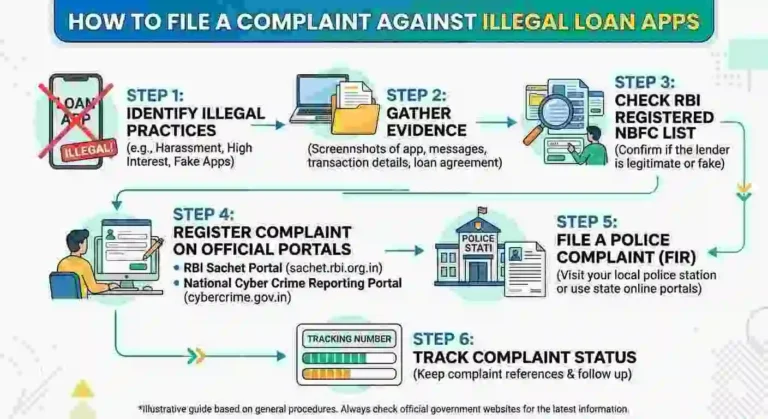
- How to File a Complaint Against Illegal Loan Apps
- https://www.legalkart.com/legal-blog/how-to-handle-harassment-from-loan-recovery-agents-know-your-legal-options
About The Author




your information is a amazing I impressed
nice information sir